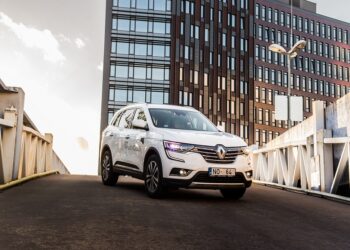

Are you looking for a used car? Like most big-ticket items, a car will require a significant investment. While you don’t want to spend too much, you also want to ensure that you’re getting value for your money. This is why it pays to do your homework and gather as much information as possible. This comprehensive guide will cover everything you need to know about investing in a used vehicle.
Read on to learn how to choose the right used car for your needs.
Plan Your Budget
Before you begin your search for a used car, it is important to establish how much money you are willing to spend. Buying a used car opens the door to taxes, insurance, licensing fees, and other expenses. Using at most 20 percent of your income on a used car is best, especially if you have other bills and financial responsibilities. You must also decide between paying in cash or taking out a loan to pay for the car. Some people take out a loan, so they don’t have to touch their savings, and others pay in cash to buy a more luxurious option. When you buy a used car, remember that it will have to be maintained and may need new tires—unlike when buying a brand-new vehicle. So save up some money for hidden costs down the road.
Do Your Research
It is always better to do your research before choosing a used car. Find the cheapest options available and compare them. For instance, some small vehicles are fuel efficient, and some are cheaper to insure. On the other hand, sports cars can be more expensive and cost more to insure. When doing your research, list three or four cars that meet your criteria in terms of budget, maintenance costs, and any other factors you have considered.
Check for A History Report
A vehicle history report will tell you whether or not the car is worth buying. It will give you an insight into many things, including the car’s registration, inspection, and previous owner’s history. If a car changes owners rapidly and within a short period, there could be an underlying problem with the vehicle. If a car is sold without an emissions record, it is considered a liability, as it’s illegal to sell a car in the absence of a valid emissions record. A history of failed emissions tests is also a red flag, so make sure you investigate this issue thoroughly with the dealer.